Cooling Measures in 2026: What it really means for HDB upgraders
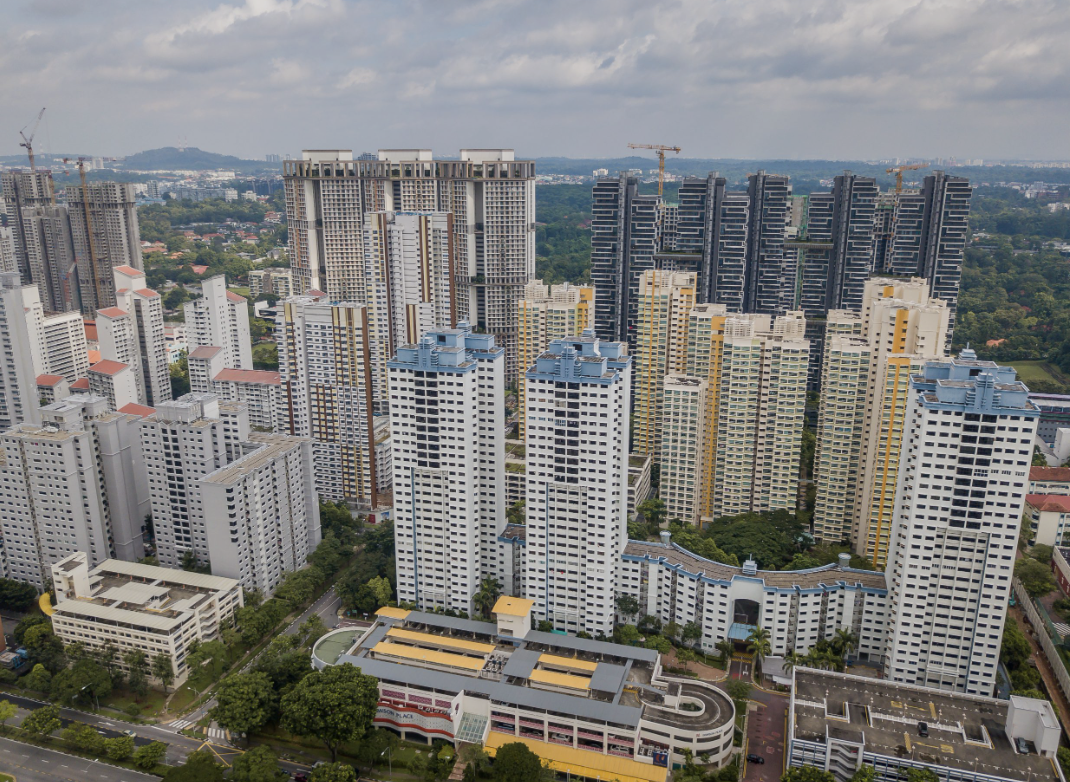
If you own an HDB flat and you've been quietly running the numbers on a condo upgrade, the past few cooling-measure cycles have probably made you pause more than once. Higher ABSD, lower LTV, tighter TDSR — each round is announced, the property news heats up for a week, and then everyone goes back to wondering whether now is the right time.
Here's the honest answer most agents won't give you: the cooling measures are doing exactly what they were designed to do. They're slowing down the upgrade decision so that people don't over-leverage. That's not a reason to give up on upgrading. It's a reason to plan it more carefully.
This post walks through what the rules mean for a typical SG-Citizen HDB upgrader in 2026, and the three things we now build into every upgrade plan we run with families.
What's actually changed for HDB upgraders
Three rule sets matter most when you're going from an HDB to a private condo:
ABSD (Additional Buyer's Stamp Duty)
Buying a private property while still owning your HDB triggers ABSD at the second-property rate — currently 20% for Singapore Citizens. You can claim a full refund if you sell your HDB within 6 months of the new property's date of acquisition. But it's a hard 6 months. Miss it by a day, the refund is gone.
LTV (Loan-to-Value)
First-mortgage LTV remains at 75% for most upgraders, but if your loan tenure extends past age 65, or if your total tenure is more than 30 years, the LTV steps down to 55%. For older upgraders this is the single most underestimated number — and it directly changes how much cash you'll need at completion.
TDSR (Total Debt Servicing Ratio)
Capped at 55% of gross monthly income. Sounds generous until you realise it includes car loans, credit card minimums, and any existing investment property mortgages. Most upgraders we meet who think they "qualify for $1.5M" actually qualify for $1.2-1.3M once the full picture is in.
None of these are new in 2026 — but the combination is what trips people up.
Why the sequencing is now the whole game
When the cooling measures were lighter, upgraders had room to be sloppy with timing. You could buy the new place, take your time selling the HDB, and absorb a few extra months of carrying cost. That's no longer true. The cost of bad sequencing now compounds in three places at once: ABSD (if you miss the refund window), bridging loan interest (5-7% p.a.), and the cash gap if your HDB sale takes longer than expected.
So when we sit down with a family to plan their upgrade, we don't start with "which condo?" anymore. We start with "what's the cleanest sequence we can execute in 4 months?"
Three sequencing moves we now build into every plan
1. The pre-listing valuation, not the post-listing price
Most upgraders list their HDB at the price their neighbour got 18 months ago. That worked when the market was rising every quarter. Today, an over-priced HDB sits for 8-12 weeks before being relisted lower — and 8-12 weeks is exactly the window that breaks your ABSD refund clock if you've already bought the new place.
We now have the latest HDB transection in the area, with rough valuation 2-3 weeks before listing, and price within 2% of it. The flat sells in 3-5 weeks instead of 10-12.
2. The bank IPA stress test
Get the in-principle approval based on one income, not the household combined. Why? Because when one spouse loses a bonus year, or goes part-time after a baby, or changes jobs, your TDSR room compresses fast. If the plan only works on full combined income, it's a fragile plan.
3. The "what if HDB doesn't sell in 6 months?" plan
Before you sign the OTP on the new condo, you need a clear answer to this question. Sometimes the answer is "we'll drop the HDB price by 4% and force it through" — that's fine, just price the option in. Sometimes the answer is "we'd hold both, take the ABSD hit, and treat it as the cost of a delayed market." Also fine — just don't surprise yourself with it three months in.
So is now the right time to upgrade?
The honest answer depends on your specific numbers, not the headlines. We've worked with families who upgraded in every cooling cycle since 2013, and the people who did well shared one thing in common: they planned the sequence before they fell in love with the new place.
If you want to think through your own numbers, we run a free 30-min consultation — bring your HDB indicative price, your CPF balances, and your combined income. We'll tell you honestly whether to proceed, wait six months, or skip altogether.