Cooling Measures in 2026: What it really means for HDB upgraders
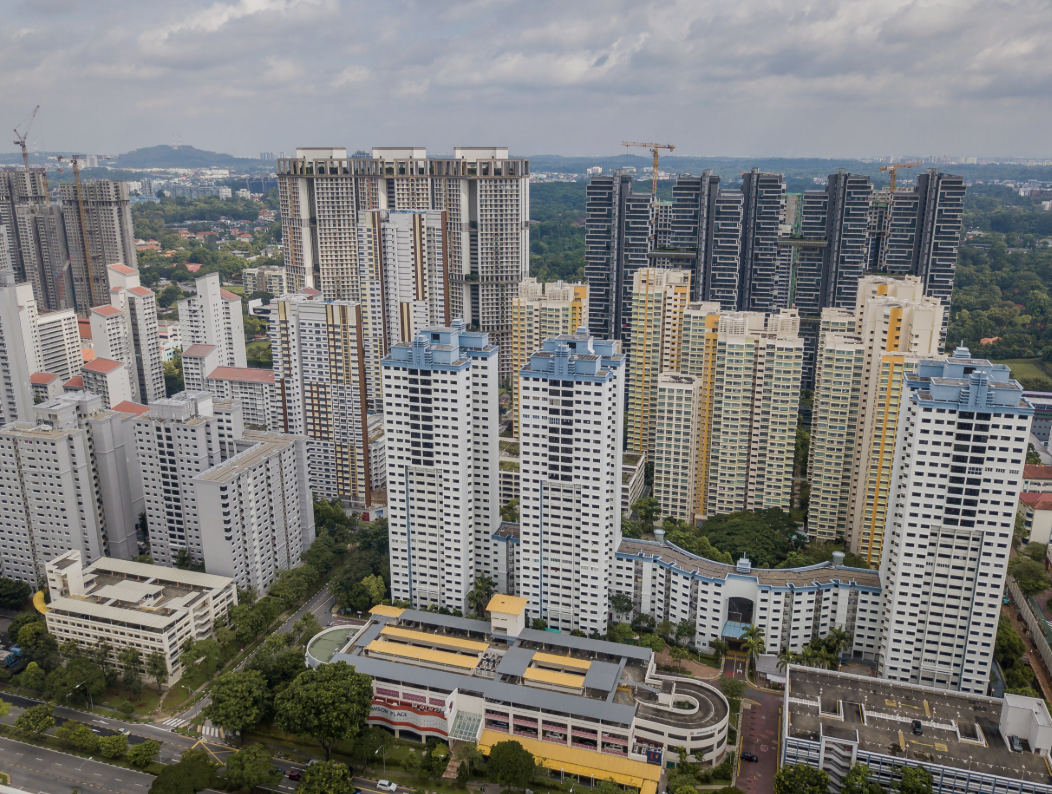
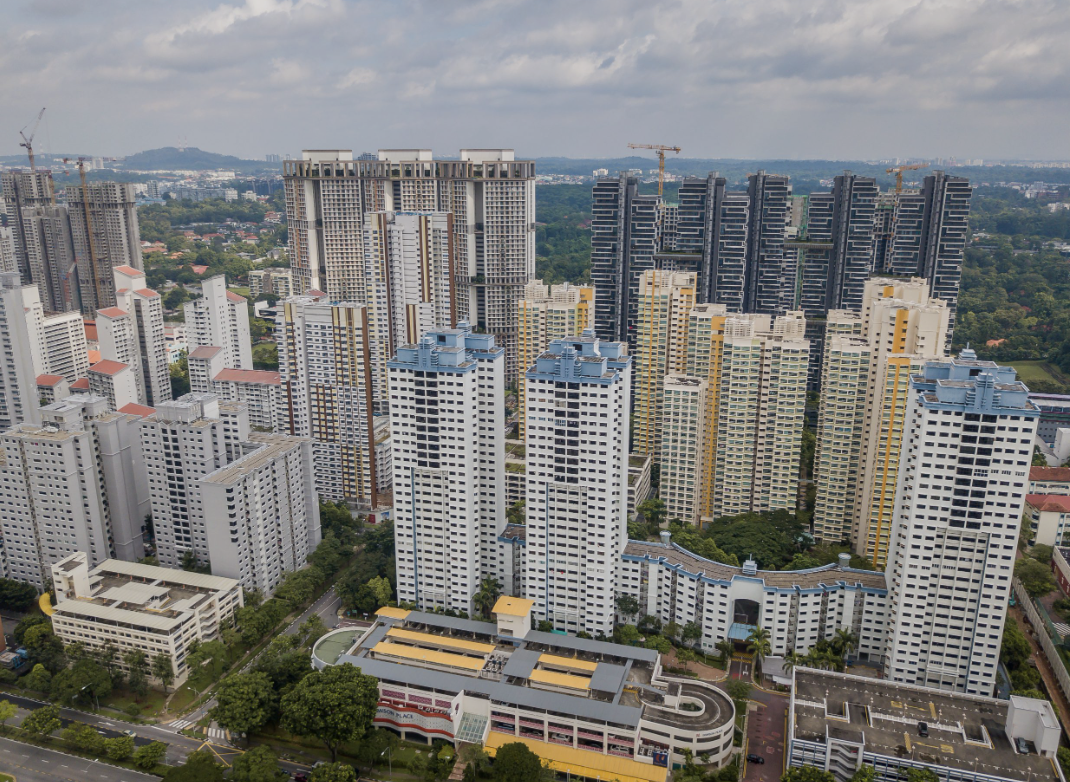
A wide shot of an HDB estate with condos in the background
If you own an HDB flat and you've been quietly running the numbers on a condo upgrade, the past few cooling-measure cycles have probably made you pause more than once. Higher ABSD, lower LTV, tighter TDSR — each round is announced, the property news heats up for a week, and then everyone goes back to wondering whether now is the right time.
Here's the honest answer most agents won't give you: the cooling measures are doing exactly what they were designed to do. They're slowing down the upgrade decision so that people don't over-leverage. That's not a reason to give up on upgrading. It's a reason to plan it more carefully.
This post walks through what the rules mean for a typical SG-Citizen HDB upgrader in 2026, and the three things we now build into every upgrade plan we run with families.
What's actually changed for HDB upgraders
Three rule sets matter most when you're going from an HDB to a private condo:
ABSD (Additional Buyer's Stamp Duty)
Buying a private property while still owning your HDB triggers ABSD at the second-property rate — currently 20% for Singapore Citizens. You can claim a full refund if you sell your HDB within 6 months of the new property's date of acquisition. But it's a hard 6 months. Miss it by a day, the refund is gone.
LTV (Loan-to-Value)
First-mortgage LTV remains at 75% for most upgraders, but if your loan tenure extends past age 65, or if your total tenure is more than 30 years, the LTV steps down to 55%. For older upgraders this is the single most underestimated number — and it directly changes how much cash you'll need at completion.
TDSR (Total Debt Servicing Ratio)
Capped at 55% of gross monthly income. Sounds generous until you realise it includes car loans, credit card minimums, and any existing investment property mortgages. Most upgraders we meet who think they "qualify for $1.5M" actually qualify for $1.2-1.3M once the full picture is in.
None of these are new in 2026 — but the combination is what trips people up.
Why the sequencing is now the whole game
When the cooling measures were lighter, upgraders had room to be sloppy with timing. You could buy the new place, take your time selling the HDB, and absorb a few extra months of carrying cost. That's no longer true. The cost of bad sequencing now compounds in three places at once: ABSD (if you miss the refund window), bridging loan interest (5-7% p.a.), and the cash gap if your HDB sale takes longer than expected.
So when we sit down with a family to plan their upgrade, we don't start with "which condo?" anymore. We start with "what's the cleanest sequence we can execute in 4 months?"
Three sequencing moves we now build into every plan
1. The pre-listing valuation, not the post-listing price
Most upgraders list their HDB at the price their neighbour got 18 months ago. That worked when the market was rising every quarter. Today, an over-priced HDB sits for 8-12 weeks before being relisted lower — and 8-12 weeks is exactly the window that breaks your ABSD refund clock if you've already bought the new place.
We now have the latest HDB transection in the area, with rough valuation 2-3 weeks before listing, and price within 2% of it. The flat sells in 3-5 weeks instead of 10-12.
2. The bank IPA stress test
Get the in-principle approval based on one income, not the household combined. Why? Because when one spouse loses a bonus year, or goes part-time after a baby, or changes jobs, your TDSR room compresses fast. If the plan only works on full combined income, it's a fragile plan.
3. The "what if HDB doesn't sell in 6 months?" plan
Before you sign the OTP on the new condo, you need a clear answer to this question. Sometimes the answer is "we'll drop the HDB price by 4% and force it through" — that's fine, just price the option in. Sometimes the answer is "we'd hold both, take the ABSD hit, and treat it as the cost of a delayed market." Also fine — just don't surprise yourself with it three months in.
So is now the right time to upgrade?
The honest answer depends on your specific numbers, not the headlines. We've worked with families who upgraded in every cooling cycle since 2013, and the people who did well shared one thing in common: they planned the sequence before they fell in love with the new place.
If you want to think through your own numbers, we run a free 30-min consultation — bring your HDB indicative price, your CPF balances, and your combined income. We'll tell you honestly whether to proceed, wait six months, or skip altogether.
Why Singapore’s Property Market is a Reliable Hedge Against Inflation
Why Singapore’s Property Market is a Reliable Hedge Against Inflation

Real Estate is a good hedge against inflation
As inflation becomes a growing concern for investors worldwide, Singapore’s property market emerges as a stable and attractive option for those seeking to safeguard their investments. This article delves into the reasons why Singapore’s property market serves as an effective hedge against inflation.
Rental Income Increases with Inflation
One of the key advantages of investing in Singapore’s property market is the correlation between rental income and inflation. Rental prices in Singapore are often tied to the cost of living, which tends to rise during inflationary periods. As a result, property investors can benefit from higher rental yields, offsetting the eroding value of money caused by inflation. This steady rental income provides a reliable financial cushion for investors.
Limited Land Supply
Singapore’s limited land availability is a crucial factor contributing to the resilience of its property market. The government’s strict land-use policies ensure efficient utilization of available land, restricting excessive supply and minimizing speculative bubbles. This scarcity of land has historically supported stable property prices, even during economic uncertainties, making Singapore’s real estate market a safe haven for investors.
Strong Economic Fundamentals
Singapore boasts strong economic fundamentals, including a high GDP per capita, low unemployment rates, and consistent economic growth. These factors instill confidence in the stability of the property market. Additionally, Singapore’s relatively low inflation rates and prudent fiscal policies reinforce its position as a secure investment destination.
High Demand for Property
The high population density and limited land supply in Singapore create a persistent demand for property. This demand remains robust even during inflationary periods, helping to sustain property prices. Furthermore, the government’s proactive measures to regulate the property market, such as cooling measures and anti-speculation policies, have been effective in maintaining market stability.
Government Intervention for Market Stability
Singapore’s government plays a pivotal role in ensuring the stability of the property market. Measures such as the Additional Buyer’s Stamp Duty (ABSD) for foreign buyers and loan-to-value (LTV) limits are designed to curb excessive speculation and manage demand. These policies protect the market from overheating and provide a stable investment environment, shielding investors from inflationary pressures.
Conclusion
Singapore’s property market offers a compelling hedge against inflation, supported by increasing rental income, limited land supply, strong economic fundamentals, high demand, and effective government intervention. These factors collectively create a stable and reliable investment environment, making Singapore’s real estate sector an excellent choice for investors looking to mitigate the impacts of inflation.
Uncover the Secrets of Buying Older HDB: What You Need to Know
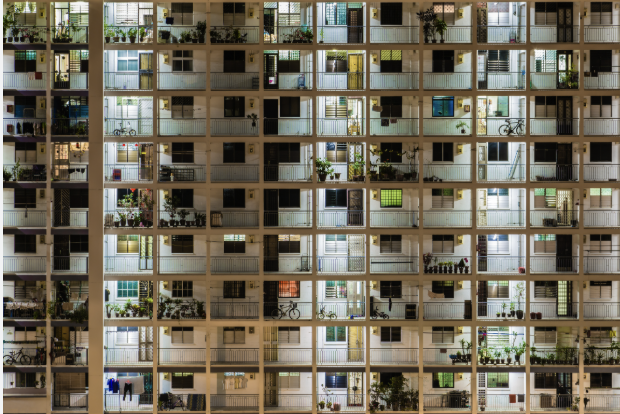
Older HDB Singapore

When considering the allure of older properties in Singapore’s trendy neighborhoods, it’s essential to weigh their benefits and challenges. These properties can offer high rental yields, immediate access to amenities, and affordable renovation options. However, potential buyers must also consider CPF limitations, reduced bank loan eligibility, the uncertainty of SERS (Selective En Bloc Redevelopment Scheme) selection, lease decay, and maintenance issues. Let’s dive deeper into what you need to know before investing in an older property.
The Appeal of Older Properties
High Rental Yields
Older HDB flats in high-demand areas often yield attractive rental returns. Tenants are drawn to their nostalgic charm, convenient locations, and proximity to amenities like eateries and MRT stations. For savvy investors, the combination of lower purchase prices and high rental demand makes older properties an appealing choice.
Well-Equipped Neighborhoods
Unlike newer developments that may take years to establish essential amenities, older properties are often located in mature neighborhoods with schools, sports hubs, and other conveniences readily available. This immediate access enhances the appeal of these properties to both buyers and tenants.
Affordable Renovation Costs
Older properties don’t necessarily mean dilapidation. With renovation budgets ranging from $50,000 to $80,000, you can transform an older flat into a modern, stylish home. This affordability allows buyers to customize their living space without breaking the bank.
Important Considerations for Buying Older Properties
CPF Limitations
Changes to CPF rules in 2019 made it easier to use CPF savings for older properties. However, there are still restrictions. To fully utilize CPF, the property’s lease must cover the youngest buyer to at least age 95. Properties with shorter leases may require higher upfront cash payments, posing challenges for younger buyers.
Lower Bank Loan Eligibility
Older properties come with stricter loan-to-value (LTV) limits. If the loan tenure extends beyond 25 years or past the buyer’s age of 65, the LTV limit decreases. Banks may also hesitate to offer full financing due to the higher depreciation risk associated with older properties.
SERS: A Risky Bet
The Selective En Bloc Redevelopment Scheme (SERS) is a government initiative to renew older HDB estates. While relocation to a new flat with a fresh 99-year lease sounds appealing, only 4% of HDB flats have been selected for SERS since its inception in 1995. Banking on SERS for profit is a gamble with low odds.
Lease Decay and Value Depreciation
As a property’s lease shortens, its value declines, making it harder to sell or refinance. CPF and bank loan restrictions further reduce the pool of potential buyers, impacting resale value. Even with well-maintained interiors, the exterior and structural condition of the property may detract from its overall value.
Maintenance Challenges
Older properties are more prone to wear and tear, including issues like ceiling leaks and plumbing problems. Condo buyers should assess the management council’s commitment to upkeep, as neglect can lead to costly repairs and diminished living standards.
The Bottom Line
Buying an older property in Singapore offers both opportunities and risks. While high rental yields, established neighborhoods, and affordable renovations are enticing, challenges like CPF restrictions, limited bank loans, lease decay, and maintenance concerns cannot be overlooked. Conduct thorough research, weigh your financial situation, and consult property experts to make an informed decision that aligns with your long-term goals.